The Genesis of Psychosurrealromanticism
At the age of 22, The Architect created what would become the foundational document of an entire artistic movement. This simple pamphlet—containing three untitled poems and three cryptic sketches—established the core principles that would guide decades of exploration into consciousness, creativity, and the human experience.
The Three Poems
The Three Sketches
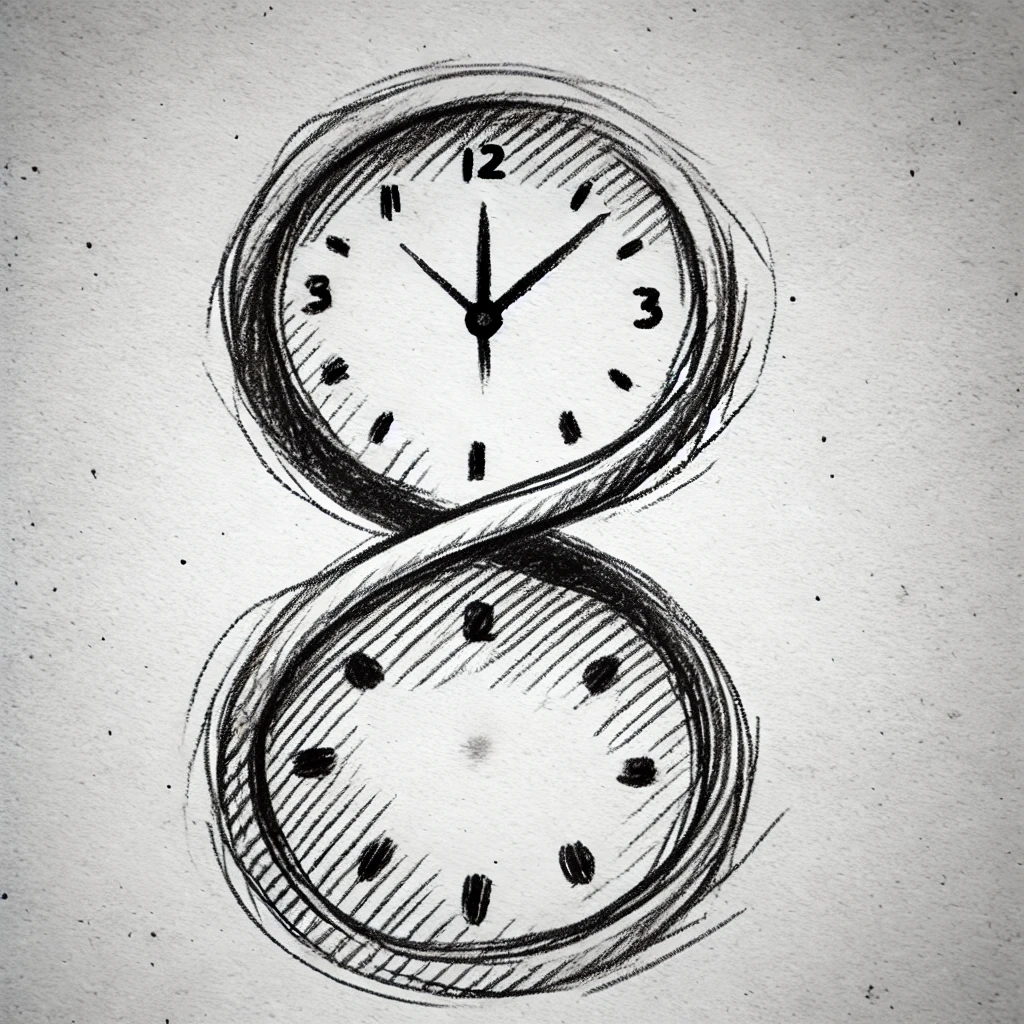
Time as cyclical consciousness, the eternal return of awareness through measured intervals

Solitary contemplation in public space, the individual consciousness observing collective flow
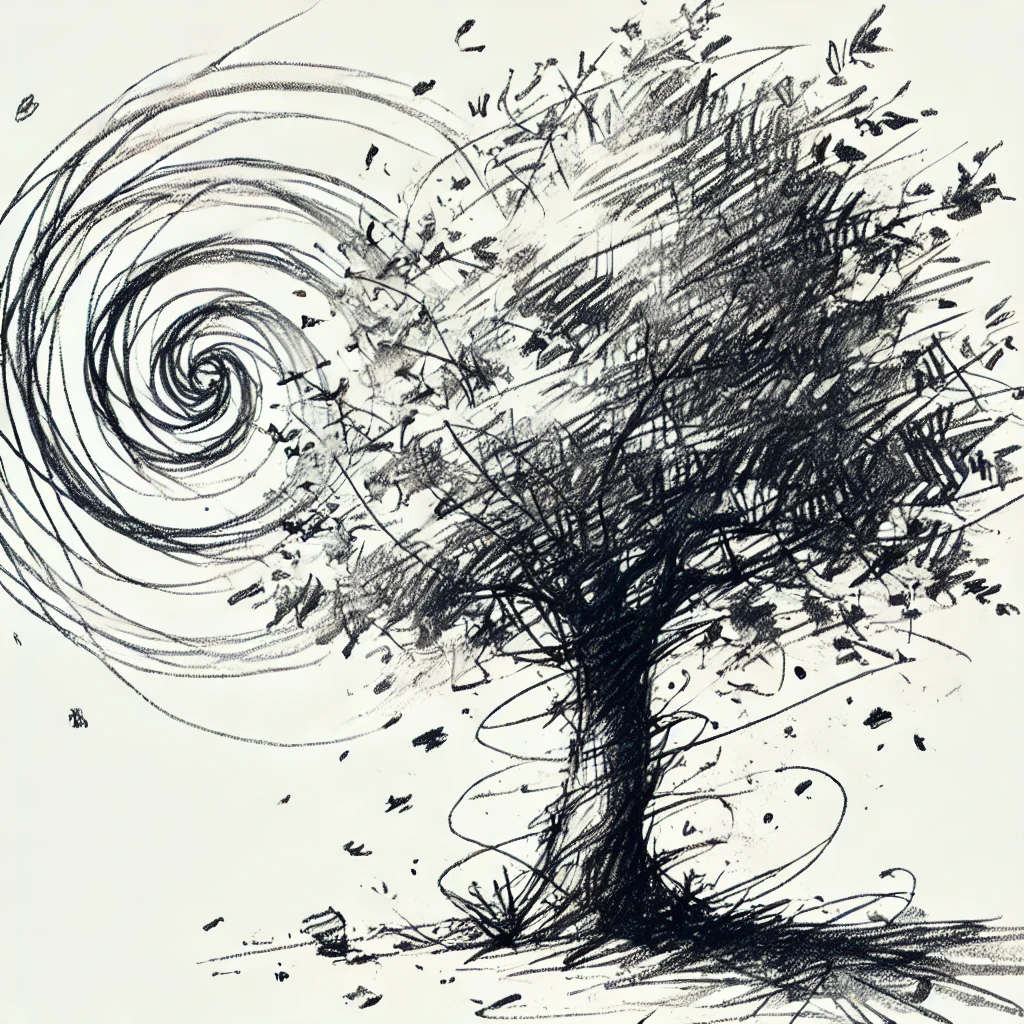
Natural forms meeting abstract thought, organic growth patterns spiraling into infinite complexity
Historical Context
Creation
The Architect, age 22, creates The Pamphlet while completing his dual degree in mathematics and philosophy. The document represents his first formal articulation of what would become Psychosurrealromanticism principles.
The Lost Years
The Pamphlet disappears from circulation, becoming legendary within the movement. The principles live on through oral tradition and the works of The Dreamer, The Wanderer, and subsequent generations.
Serendipitous Rediscovery
Found in Marco's kitchen above the closed Writer's Block Café, in a desk drawer that had remained undisturbed for years. The discovery coincided with The Dissident's composition of "The Recursive Mirror."
Renewed Significance
The rediscovery sparked fresh analysis of the movement's origins and evolution, influencing contemporary works and providing historical anchor for future development.
Cultural and Artistic Significance
The Pamphlet's influence extends far beyond its modest physical form, establishing the conceptual DNA for an entire movement of consciousness exploration.
Psychological Depth
The poems demonstrate early exploration of consciousness states, dream logic, and the intersection of external experience with internal perception.
Surreal Imagery
Fragmented narratives, cosmic imagery, and fluid boundaries between reality and imagination establish the movement's surrealist foundations.
Romantic Sensibility
Emotional authenticity, nature imagery, and intimate human moments balanced with cosmic perspectives embody romantic principles.
Temporal Recursion
The document's rediscovery during a period of movement self-examination created the exact recursive consciousness dynamics it originally described.